Watch this video about the city of Hamburg and complete the information below
1.Fewer cars would mean a reduction of exhaust fumes
2.Hamburg’s target is to slash house gas emissions by 40%
3.Solar power boats show us that we can make do without coal and nuclear power
4.In the summer a membrane prevents too much heat buildup
5.The new neighbourhood tries to meet the highest environmental standards
6.A problem for cyclist is that the cycle lane network is underdeveloped
7.Sustainable mobility should encourage the use of non-motorised transport
8.A green energy plant is located on top of a former rubbish tip
Answers written in white. Select the text above to see them.
Transcribe the first minute:
A big field, goal posts, a pond and more benches and trees. They shouldn't build any grey schools; they feel so lonely; they should be bright and colourful. Fewer cars, becasue the exhaust that comes out of the back is unhealthy and it's bad for the environment. And it's not just the children at st catherine school in Hamburg who want more greenery, better buildings and fewer cars. The city has embraced those aims too. Over the next decade hamburg plans to slash greenhouse gas emissions by 40% compared to 1990 levels; a target far more ambitious than those of most european cities. But hamburg is not an idyllic backwater. It's a large industrial centre and its harbour and major transport hub. So lots of people are asking how they aim to achieve these objectives: with lots of individual projects and by everyone doing their bit according to Enno Isermann
Urbanization: Who's Afraid of the Big Bad City
Learn more about this topic
Showing posts with label Environment. Show all posts
Showing posts with label Environment. Show all posts
Thursday, 1 December 2016

Tuesday, 22 November 2016
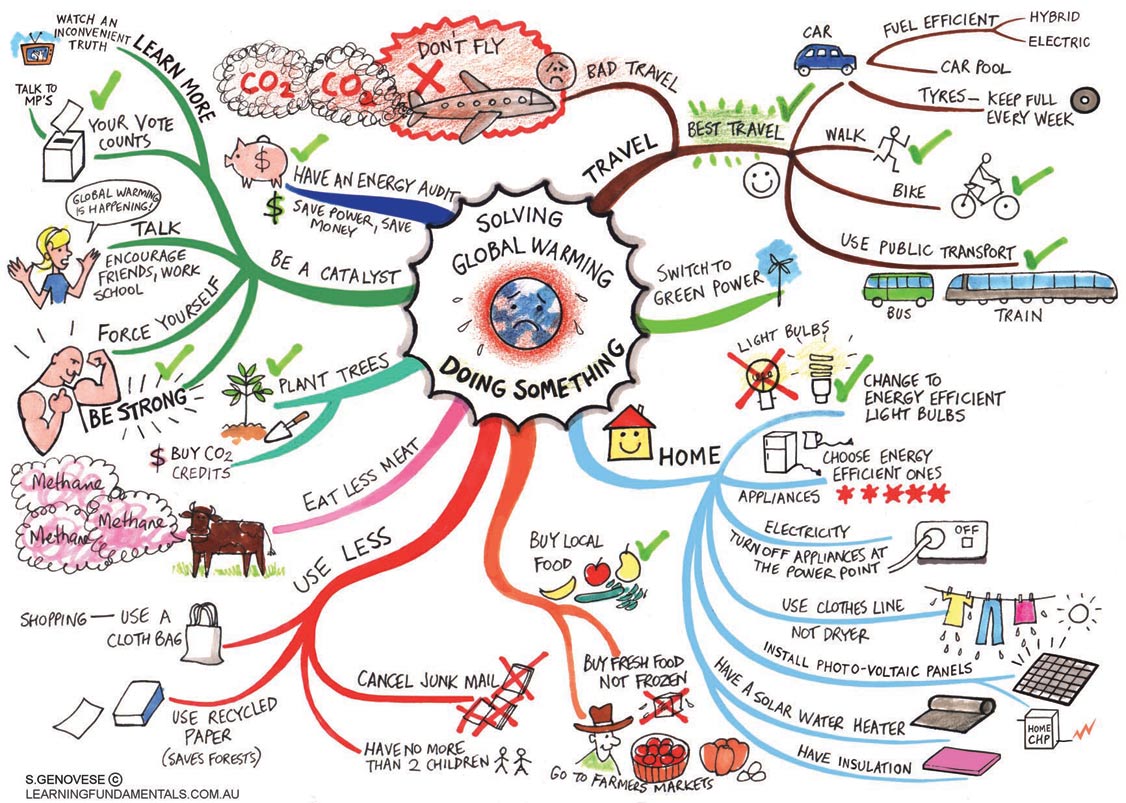
Solutions to Global Warming
True or False?
- Climate change has an immediate effect on us
- A small fee on CO2 content would be paid for by consumers
- Every citizen would get the same share of money from the fees
- This money must be spent on improving home energy efficiency
- Other countries will have to adopt the same policy
- Clean technologies will increase unemployment in jobs related to fossil fuels
Sunday, 13 November 2016
Let's pollute
Watch the following video (Best Short Film, Oscars Animated Nominee) and complete the blanks:
Leave a comment: Are we really like this?
- Pollution is our heritage
- Nowadays polluting is better and more convenient than ever
- Even before the Industrial Revolution we were polluters at heart
- After hundreds of years man needed an allay
- Machines were a wonder of waste
- Some of our past habits were counterproductive
- Our ancestors would envy our toxines and contaminants
- Remember to always buy the latest trendy gadgets
- Corporations produce tons of cheap crap for you to buy
- Ask your congressman to eliminate all environmental restrictions
- Prepackaged and processed food has minimal nutritional value
- The best food for you is the one that has been sprayed with herbicides
Leave a comment: Are we really like this?
Thursday, 10 November 2016
Environmental issues
Watch and match
1. Raw material hunger
2. Atmospheric pollution
3. Waste formation
4. Forest destruction
5. Desertification
6. Water pollution
A. Effects of intensive farming
B. Greenhouse effect and forest destruction
C. Limiting the use to compensate for shortages
D. Space at the cost of nature
E. Technologies that reduce energy waste
F. The end of landfills
G. The price of progress
H. Sorting to counter overconsumption of raw materials
Answers: 1G 2E 3H 4D 5A 6C - Extra: B, F
1. Raw material hunger
2. Atmospheric pollution
3. Waste formation
4. Forest destruction
5. Desertification
6. Water pollution
A. Effects of intensive farming
B. Greenhouse effect and forest destruction
C. Limiting the use to compensate for shortages
D. Space at the cost of nature
E. Technologies that reduce energy waste
F. The end of landfills
G. The price of progress
H. Sorting to counter overconsumption of raw materials
Answers: 1G 2E 3H 4D 5A 6C - Extra: B, F
Sustainable squatting
Watch the video and answer the questions below:
1.What was the place like when she first arrived there?
2.Why did she settle for it?
3.Where did they find the building materials?
4.How did she transport them?
5.Where did they get food? And clothes?
6.Why did she decide to live this way?
7.How does she say she pays for her rent?
8.Why did she leave the kitchen wall open?
9.What’s her favourite piece of recycling?
10.How did she avoid confrontation in the house?
11.What are the gardens used for?
12.Where did the plants come from? And the marble for the paths?
Answers written in white. Select below to see them:
1.The place had no doors, windows the cables ripped out 2.She saw potential in it. She chose the house because of the light from the east and west 3.The building material was found in the neighbourhood 4.She used a trolley to bring things 5.She got her food from the Covent Garden market. The clothes came from jumble sales or charity shops 6.She could make a home for herself 7.She paid the rent with her work 8.She left the wall open in the kitchen because she likes the light and she wanted to see the lath, the muscles of the house 9.Her favourite piece of recycling is an 1937 oven 10.To avoid confrontation in the house she built kitchens 11.The gardens were an outlet for their creativity 12.They bring the plants from other peoples gardens. They brought marble from a factory nearby
1.What was the place like when she first arrived there?
2.Why did she settle for it?
3.Where did they find the building materials?
4.How did she transport them?
5.Where did they get food? And clothes?
6.Why did she decide to live this way?
7.How does she say she pays for her rent?
8.Why did she leave the kitchen wall open?
9.What’s her favourite piece of recycling?
10.How did she avoid confrontation in the house?
11.What are the gardens used for?
12.Where did the plants come from? And the marble for the paths?
Answers written in white. Select below to see them:
1.The place had no doors, windows the cables ripped out 2.She saw potential in it. She chose the house because of the light from the east and west 3.The building material was found in the neighbourhood 4.She used a trolley to bring things 5.She got her food from the Covent Garden market. The clothes came from jumble sales or charity shops 6.She could make a home for herself 7.She paid the rent with her work 8.She left the wall open in the kitchen because she likes the light and she wanted to see the lath, the muscles of the house 9.Her favourite piece of recycling is an 1937 oven 10.To avoid confrontation in the house she built kitchens 11.The gardens were an outlet for their creativity 12.They bring the plants from other peoples gardens. They brought marble from a factory nearby
Subscribe to:
Posts (Atom)